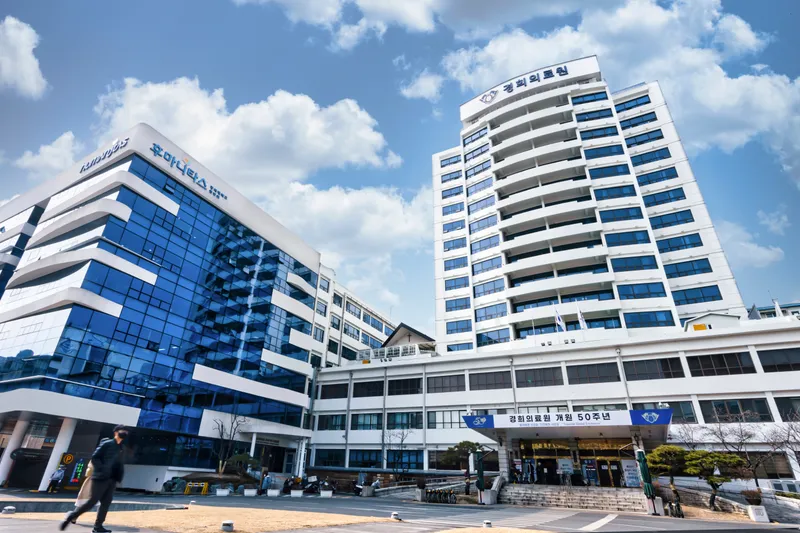
Comprehensive Health Checkup Korea: University Hospitals vs Clinics

Comprehensive Health Checkup Korea: University Hospitals vs Clinics
Considering a comprehensive health checkup in Korea? You're not alone. South Korea is renowned for its advanced medical facilities and highly skilled healthcare professionals. Here's an honest and practical guide to help you navigate the options available, from university hospitals to smaller clinics.
Why Choose Korea for a Comprehensive Health Checkup?
South Korea has emerged as a global leader in healthcare, offering quality services at relatively affordable prices. The country boasts cutting-edge technology, well-trained medical staff, and a proactive approach to preventive healthcare. Language support for foreigners is becoming increasingly common, especially in facilities registered with the Korea Health Industry Development Institute (KHIDI) for international patient services.
Types of Health Checkup Options
In Korea, comprehensive health checkups range from basic screenings to more elaborate packages. The main options are:
- Basic Checkup: Includes essential tests like blood pressure, blood tests, and urine tests.
- Standard Comprehensive Checkup: Adds more tests such as chest X-rays, abdominal ultrasounds, and electrocardiograms (ECG).
- Premium Packages: Can include endoscopies, MRI scans, and cancer screenings.
Cost of Health Checkups in KRW
The cost of comprehensive health checkups varies significantly depending on the type of facility and the package chosen:
- Clinics: Basic checkups can start from around 150,000 KRW, while standard packages range between 300,000 and 500,000 KRW.
- University Hospitals: Expect to pay between 500,000 and 1,500,000 KRW for a more comprehensive package. Some premium options may exceed 3,000,000 KRW.
For procedures covered by the National Health Insurance (NHI), the Health Insurance Review & Assessment Service (HIRA) provides a standardized cost structure, which can sometimes reduce out-of-pocket expenses.
What to Expect During Your Checkup
Most comprehensive health checkups start with a detailed medical history review, followed by various tests. Expect to spend at least half a day, and often a full day, at the facility. You may be asked to fast for 8-12 hours prior to the checkup, especially if blood tests are included.
How to Choose the Right Clinic or Hospital
When choosing a facility, consider the following:
- KHIDI Registration: Look for facilities registered with KHIDI for international patient services. This ensures they are equipped to handle language barriers and cultural differences.
- Reputation and Specialization: Research the facility's reputation and whether they specialize in any particular medical field.
- Cost Transparency: Ensure that all costs are clearly communicated upfront to avoid unexpected charges.
Practical Tips for Foreigners
Here are some tips to make your experience smoother:
- Language Support: Confirm in advance whether English-speaking staff are available.
- Appointment Booking: Make sure to book your appointment well in advance, as some facilities have long waiting lists.
- Insurance: Check if your international health insurance covers any part of the checkup.
- Documents: Bring a copy of your passport and any previous medical records for reference.
Disclaimer
KoreaDaddy is a public data directory that helps foreigners access healthcare in Korea. We do not receive commissions from any healthcare providers.